BEV Power Steering: When a Hydraulic Pump Is Required
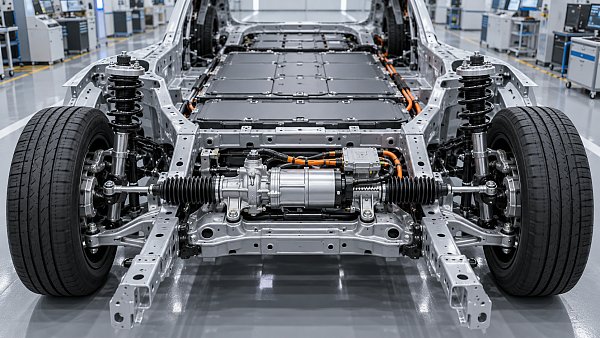
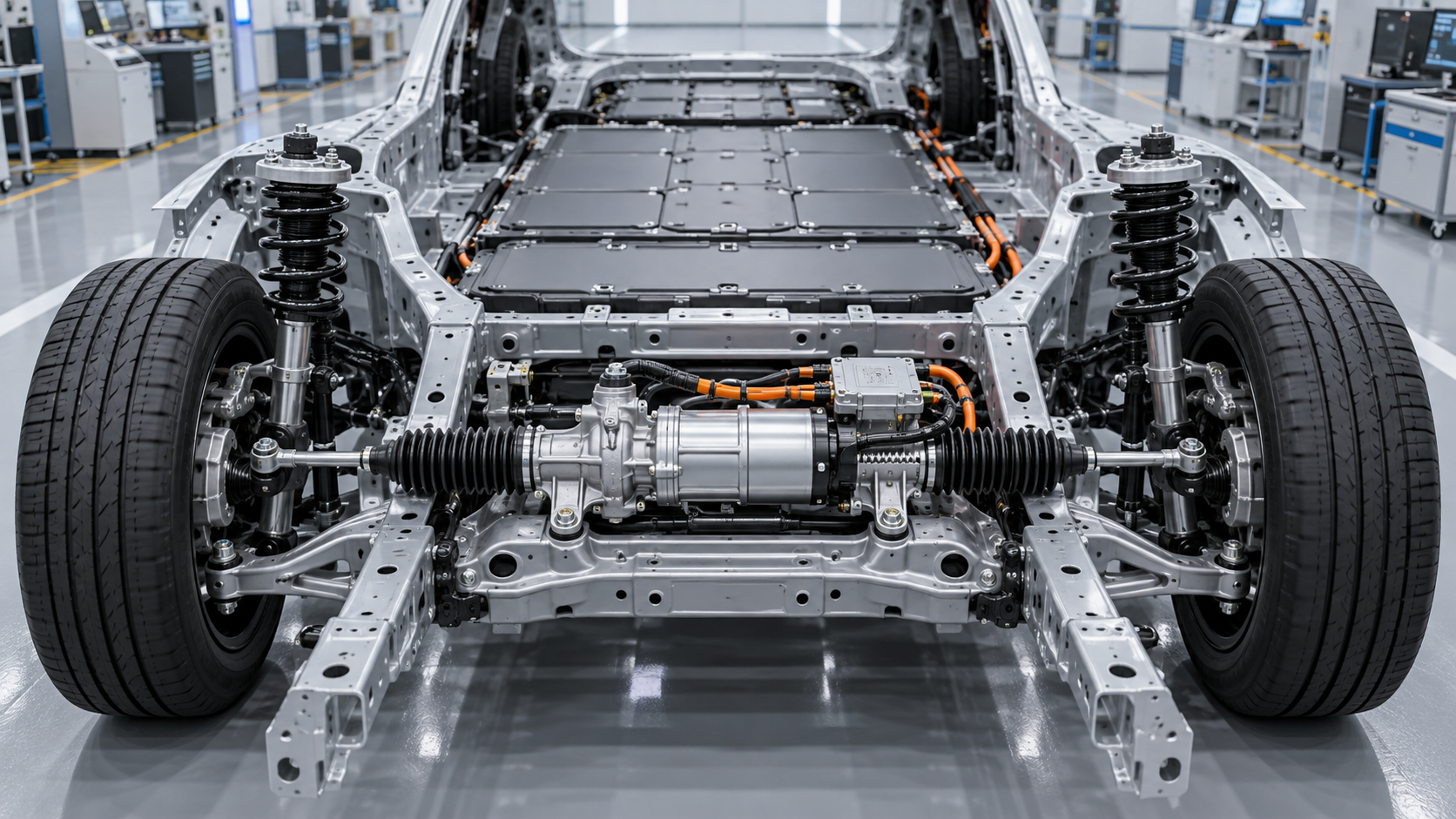
Does a battery-electric vehicle need a hydraulic power steering pump? In most modern passenger BEVs, the answer is no: electric power steering provides assistance without hydraulic fluid or a pump.
However, some commercial vehicles and adapted platforms use electrohydraulic steering, where an electric motor drives a hydraulic pump independently of the propulsion system.
For engineers, sourcing teams, and vehicle planners, the distinction matters. Steering architecture determines which components are necessary, how electrical power is supplied, and what requires validation.
The practical question is whether the vehicle uses electric steering assistance or hydraulic assistance. Battery propulsion alone does not determine which steering system is installed.
This article explains when a hydraulic pump remains necessary and which energy, packaging, maintenance, and validation factors should guide component selection for a BEV program.
Which Steering Systems Need a Hydraulic Pump?
Three architectures explain most steering pump questions. The key difference is how each system generates steering assistance and transfers that force to the steering mechanism.
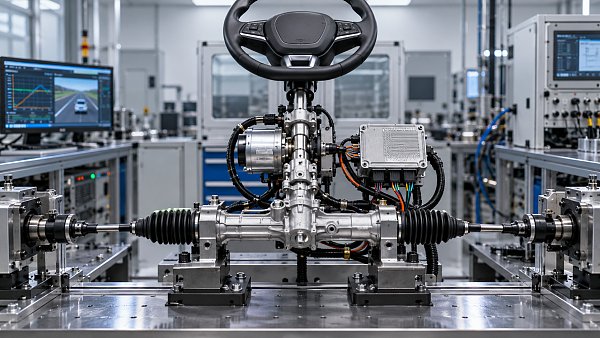
EPS still contains mechanical parts, bearings, lubrication, sensors, and control electronics. Eliminating the hydraulic circuit does not eliminate wear, electrical faults, or service requirements entirely.
EHPS retains hydraulic fluid, hoses, seals, and a pump. Its electric motor replaces the mechanical pump drive; it does not replace hydraulic assistance itself.
Supplier terminology can obscure this distinction. A product described as an “electric steering pump” usually belongs to an electrohydraulic system, rather than a pump-free EPS system.
Before ordering components, check the steering assembly specification, hydraulic connections, reservoir, wiring diagram, and service documentation. The vehicle's powertrain label is insufficient evidence by itself.
Why Do Most Passenger BEVs Use Electric Power Steering?
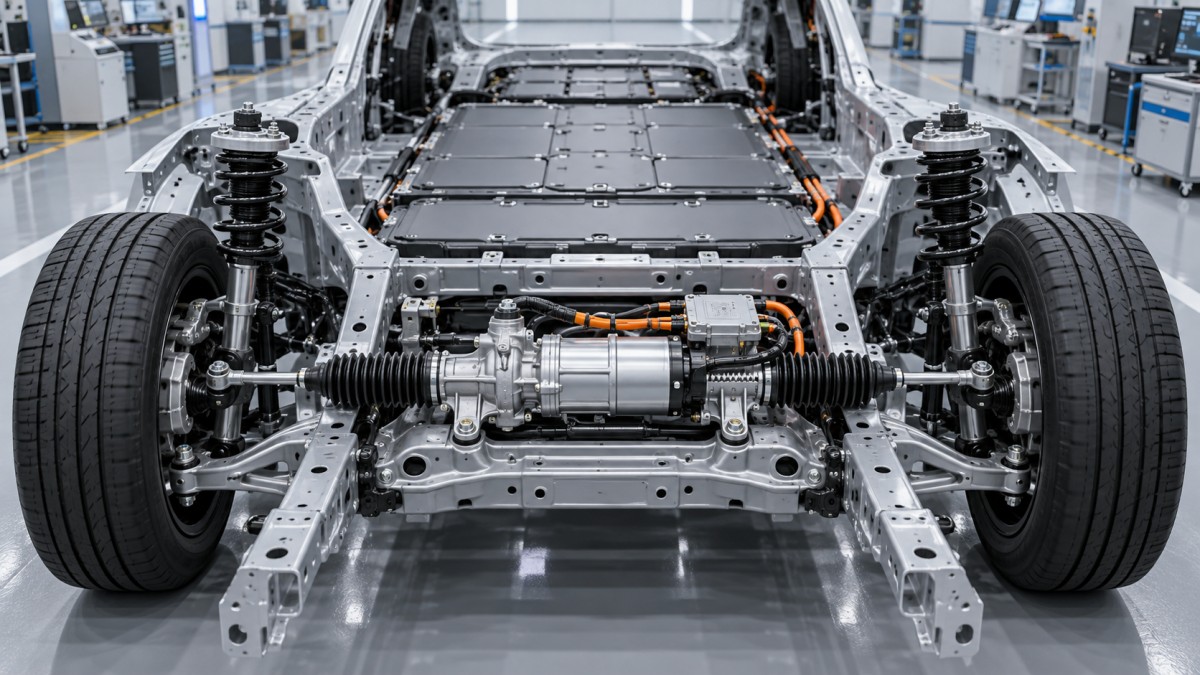
EPS fits passenger BEV platforms because it provides steering assistance directly from an electric motor, without requiring a separate hydraulic pressure generation and distribution circuit.
Removing the pump, reservoir, and hydraulic lines can simplify installation and eliminate steering fluid service points. Actual weight and packaging benefits depend on the selected design.
Electrical energy is primarily used when assistance is requested, although control electronics consume power and steering conditions affect demand. Hydraulic systems vary considerably in efficiency.
Avoid assuming every hydraulic pump runs continuously at full output. Modern EHPS can regulate motor speed and hydraulic delivery according to steering demand and operating conditions.
EPS also supports software-controlled assistance for parking, lane centering, and other functions. These capabilities require suitable sensing, control integration, and safety engineering beyond motor installation.
At vehicle level, the benefit is a controllable steering subsystem with fewer hydraulic interfaces. Energy savings should be measured against the actual alternative over representative operation.
When Does a BEV Still Need a Hydraulic Steering Pump?
A battery-electric vehicle needs a hydraulic steering pump when its steering assistance depends on pressurized fluid. Electrification changes the available power source, not that hydraulic requirement.
One example is a vehicle conversion retaining its original hydraulic steering gear. Removing the combustion engine removes the original pump drive, leaving another power source necessary.
An appropriately engineered electric pump can preserve that hydraulic steering function. Selection must match the steering gear, vehicle loads, electrical supply, and required operating conditions.
Some electric buses, trucks, and specialist vehicles also retain hydraulic steering arrangements. High steering loads, existing steering gear designs, and platform constraints can influence that decision.
Commercial vehicle electrification does not automatically require hydraulics. Electric steering solutions also serve demanding applications; suitability depends on demonstrated capability for the specific vehicle program.
A shared platform may retain hydraulic steering to reuse validated hardware or manufacturing capacity. That choice can reduce immediate redesign work while preserving hydraulic maintenance obligations.
For low-volume programs, EHPS may offer a practical integration route. For a new platform, compare it against EPS using lifecycle cost and validated vehicle requirements.
Do not assume a brake, suspension, or auxiliary hydraulic pump can also supply steering. Shared circuits require deliberate engineering for pressure, priority, contamination, and failures.
What Must Engineers Specify Before Selecting an EHPS Pump?
Start with the steering gear's pressure and flow requirements across the operating envelope. Maximum pressure alone cannot establish whether a pump will provide adequate assistance.
Flow influences available assistance during steering movement. Insufficient delivery can restrict response during rapid inputs, even when the pump's advertised maximum pressure appears adequate on paper.
Pressure requirements depend on steering loads and system geometry. Assess axle loading, tire characteristics, suspension geometry, road friction, and the most demanding permitted operating conditions.
Characterize parking maneuvers, repeated low-speed turns, and prolonged operation at high loads. Brief peak capability does not prove adequate continuous performance or thermal durability in service.
Electrical specifications must cover nominal supply voltage, minimum operating voltage, peak current, continuous current, protection, and startup behavior. Confirm compatibility with the vehicle's power distribution.
Many steering systems use a low-voltage network supplied through a DC/DC converter. Battery pack voltage alone therefore does not identify the pump's required electrical rating.
Hydraulic compatibility includes approved fluid, viscosity across temperature, filtration, reservoir arrangement, return restrictions, and inlet conditions. Poor suction conditions can cause cavitation, noise, and damage.
Packaging reviews should include hose routing, connector access, mounting stiffness, vibration isolation, heat exposure, and service clearance. A compact pump can still create difficult installation interfaces.
Finally, define control communication, diagnostics, derating behavior, and fault reporting. These interfaces determine how successfully the pump integrates with vehicle controls and workshop service procedures.
How Should Teams Compare Energy Use, Cost, and Reliability?
Compare complete steering systems under the same vehicle conditions. A pump efficiency figure and an EPS motor efficiency figure do not establish whole-system energy consumption.
Relevant losses include motor and controller losses, hydraulic pressure losses, standby demand, and conversion losses. Duty cycle determines how strongly each contributes to total consumption.
Urban delivery operation, repeated depot maneuvering, and highway cruising create different steering demands. Use representative routes and maneuvers when estimating electrical consumption and thermal requirements.
Avoid universal range improvement claims. Steering's contribution to total vehicle energy use depends on vehicle mass, driving pattern, system calibration, climate, and the comparison baseline.
Purchase cost also needs context. EHPS pricing must include hoses, fluid handling, reservoirs, brackets, wiring, controls, assembly labor, validation, and anticipated service requirements over time.
EPS comparisons should include mechanical integration, electrical capacity, software development, calibration, tooling, and validation. Replacing an existing hydraulic architecture may require substantial platform engineering changes.
For reliability, examine failure mechanisms and field evidence. Hydraulic leakage, contamination, and hose deterioration differ from motor, sensor, controller, connector, or mechanical failures in EPS.
Ask suppliers for application-relevant durability results and failure analysis evidence. A proven component in one vehicle category may face substantially different loads in another application.
Which Safety and Validation Questions Cannot Be Skipped?
Steering assistance must be assessed as part of vehicle safety. Establish the consequences of degraded assistance, electrical supply loss, communication faults, and component overheating early.
Loss of assistance is different from loss of the mechanical steering connection. Nevertheless, manual steering effort may become unacceptable under particular vehicle loads or maneuvers.
Do not assume every EPS installation uses the same mechanical connection or fallback behavior. Conventional EPS and steer-by-wire architectures require different system descriptions and safety assessments.
EPS and EHPS both depend on electrical availability. Evaluate power supply disturbances, grounding faults, connector problems, and the effects of simultaneous demand from other vehicle systems.
Where continued assistance after specified faults is required, define the necessary redundancy and independence. Adding another pump or controller alone does not demonstrate fault tolerance.
Vehicle testing should cover assistance response, steering feel, return behavior, parking effort, hot operation, cold starts, and repeated maneuvers at the intended maximum axle loads.
For EHPS, include leakage, pressure stability, fluid aeration, contamination sensitivity, hose durability, and pump noise. Verify protection during relief operation and restricted hydraulic flow conditions.
Applicable steering regulations and functional safety processes depend on market and vehicle category. Confirm requirements early, including relevant UN Regulation No. 79 provisions where applicable.
What Should Buyers Request Before Approving a Supplier?
Procurement should begin with an agreed vehicle requirements document. Asking only for a “BEV steering pump” invites quotations for products with materially different operating capabilities.
- Performance evidence: Pressure-flow curves, electrical consumption maps, temperature limits, and continuous versus intermittent operating ratings under clearly stated test conditions.
- Integration information: Mounting drawings, connector specifications, hydraulic interfaces, communication requirements, software responsibilities, and diagnostic documentation for the proposed configuration.
- Quality evidence: Relevant validation reports, production controls, traceability arrangements, engineering change procedures, and documented handling of contamination-sensitive hydraulic components.
- Supply commitments: Production status, available capacity, lead times, service support, spare parts availability, and notification requirements for design or manufacturing changes.
Distinguish a prototype demonstration from an approved production application. Confirm that quoted performance, manufacturing location, software version, and validation evidence apply to the proposed component.
For replacement sourcing, verify the vehicle identification, steering option, part number, and supersession history. Similar appearance or matching voltage does not establish functional interchangeability alone.
For platform development, assign responsibility for calibration and system validation explicitly. Unclear boundaries between pump supplier, steering gear supplier, and vehicle integrator create avoidable program risk.
The Decision: Identify the Steering Architecture First
Most modern passenger BEVs do not need a hydraulic power steering pump because they use EPS. A BEV with electrohydraulic steering still requires a pump.
For an existing vehicle, confirm its installed architecture before planning maintenance or replacement. For a new program, select architecture against steering loads, safety requirements, and lifecycle economics.
The strongest decision comes from matching verified system performance to the vehicle's operating demands. Propulsion type provides context; steering architecture determines whether hydraulic pumping is necessary.